
Planning your 2026 home renovation with new windows
New windows for 2026
If ever there’s a time of year when motivation is low, winter would be it. With dark evenings, rainy skies and busy social schedules around the festive period, it’s easy to mentally delay your to-do list until the birds begin to chirp again in Spring.
However, if you’re already thinking about upgrading to new windows as part of a future renovation, winter is actually one of the best times to start the process.
While the majority of homeowners wait for warmer weather, the colder months actually make it far easier to spot problems with old windows. Heat loss, drafts, condensation and external noise are more noticeable, helping you understand exactly where improvements are needed.
By getting your project done in winter, you’ll also be ahead of the peak time in Spring, which can sometimes mean shorter lead times, a better opportunity to cut energy bills whilst it’s cold outside, and welcome peace of mind.
Why winter is the best time to install new windows
There’s no wrong time to upgrade your windows, but winter is often overlooked. Many homeowners automatically wait until spring or summer, even though the colder months offer several practical advantages.
Off-peak time
Spring is traditionally the busiest season for home improvements. In recent years, this trend has become even more noticeable, with many homeowners planning projects as soon as the weather improves. Winter, by contrast, can occasionally be an off-peak time.
This can mean:
- More flexibility when booking surveys and installation dates
- Extra time to explore the full variety of styles available
- A calmer planning process without the rush
While installation costs are never guaranteed to change, planning early gives you greater control over timing and decision-making, helping you avoid peak season.
Thermally efficient benefits
Winter is when you truly feel the impact of new windows. Older units often allow heat transfer through worn seals, tired window frames or outdated glass. Modern double glazed windows are designed to provide better insulation by using two or more glass panes separated by insulating spaces.
Thermal efficiency refers to how well a window reduces heat transfer, meaning you keep valuable warmth in the winter and prevent unwelcome stuffiness in the summer, maintaining a comfortable temperature all year. This is measured using a u-value, with lower figures indicating stronger insulation. Better-performing windows help keep warmth inside during winter and reduce heating costs.
According to the Energy Saving Trust, windows account for around 18 – 25 per cent of heat loss in homes. Upgrading to new double glazing or triple glazing can significantly cut this figure, leading to:
- Lower energy bills
- Improved comfort in every room
- Superior insulation throughout your home
There’s also a summer advantage. The right type of glass reduces glare and limits unwanted heat, helping to keep your home cooler while still allowing natural light to flow through.
Easy to identify issues
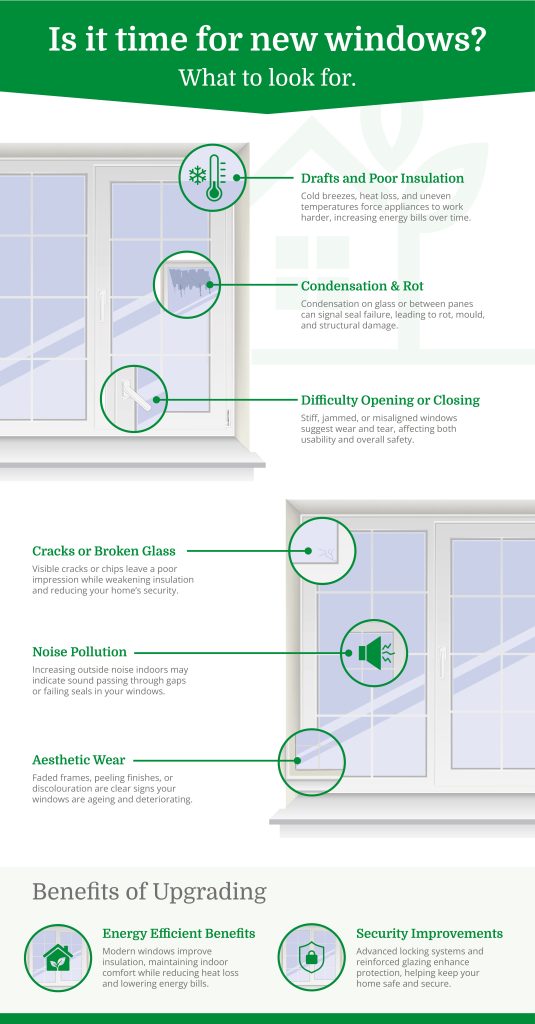
Cold weather makes window problems easier to spot. During winter, homeowners often notice:
- Condensation between the panes
- Drafts around door frames and window frames
- Increased external noise from nearby roads
- Cold spots near window panels
These signs are often less obvious in warmer months, meaning issues can go unnoticed for longer than they should.
A smoother installation experience
Some homeowners worry about winter disruption. In reality, professional window installers work methodically, replacing one unit at a time to maintain warmth and security. Our team plans every installation carefully to ensure a perfect fit, even during colder weather.
Signs your windows need replacing
If you’re unsure whether now is the right time for new windows, winter provides some clear clues.
Rising energy bills
If your heating costs keep increasing, poor window performance could be a contributing factor. Older glazing allows heat to escape, forcing your heating system to work harder over time.
Drafts and cold spots
Feeling cold air near windows or doors often means seals or frames are no longer performing as they should. New windows offer better insulation and a tighter seal.
Condensation between glass panes
Moisture trapped inside double glazing windows is a sign that the sealed unit has failed. This affects thermal insulation and usually means replacement is required.
Fading furniture and fabrics
Excess UV rays can fade furnishings over time. Modern glazing helps filter UV light while still maintaining bright interiors.
Physical damage and wear
Rotting timber, cracked uPVC frames, sticking handles or water leaks are all signs that your windows have reached the end of their lifespan.
Which new windows are available?
Choosing new windows is about more than replacement. It’s about selecting the right type of window, the right style of window and the right materials for your home.
Window styles
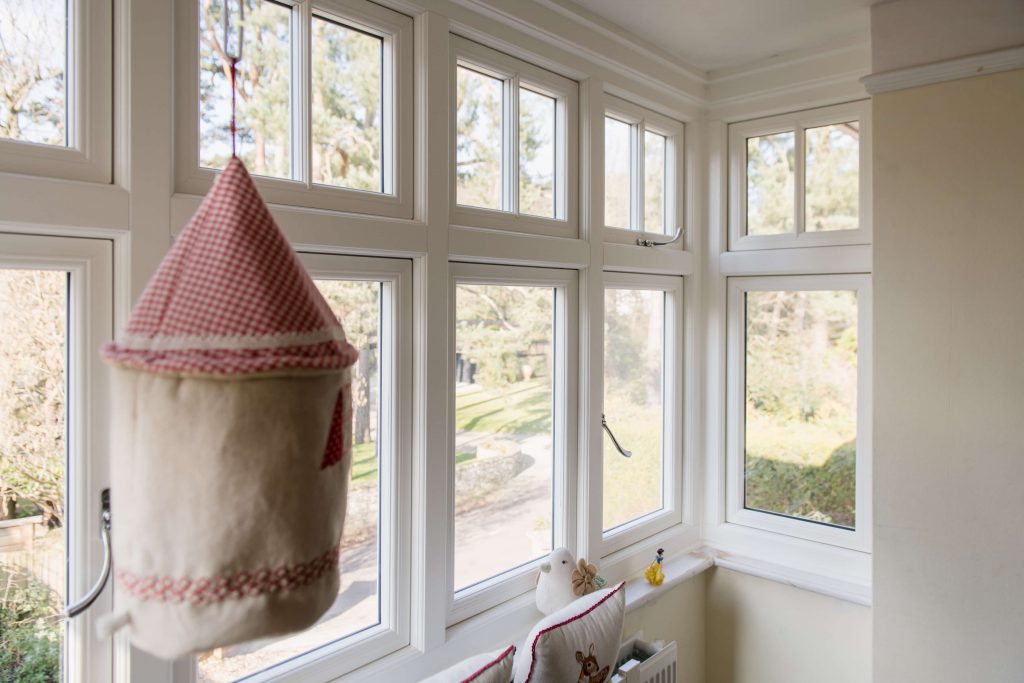
Hinged at the side and opening outward, casement windows remain the UK’s most popular style for their versatility and ease of use.
Designed to sit flush within the frame, these suit both traditional properties and new builds, especially in conservation areas.
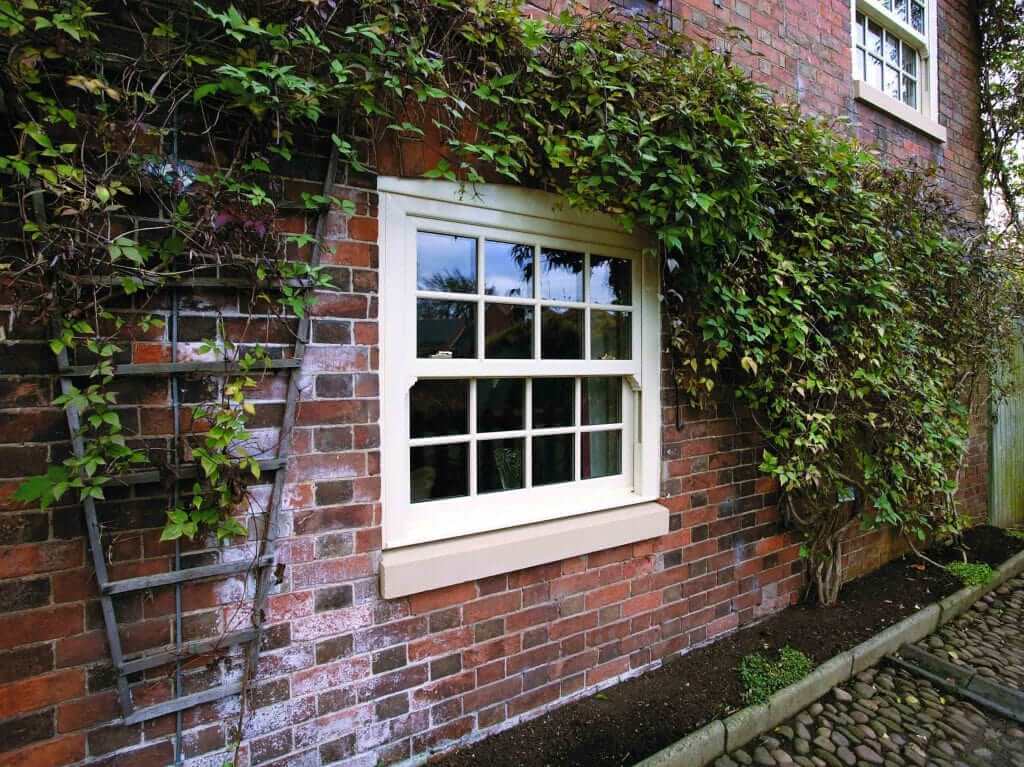
A classic option for period homes. Sash window panes move vertically, great for uninterrupted ventilation and a vintage feel.
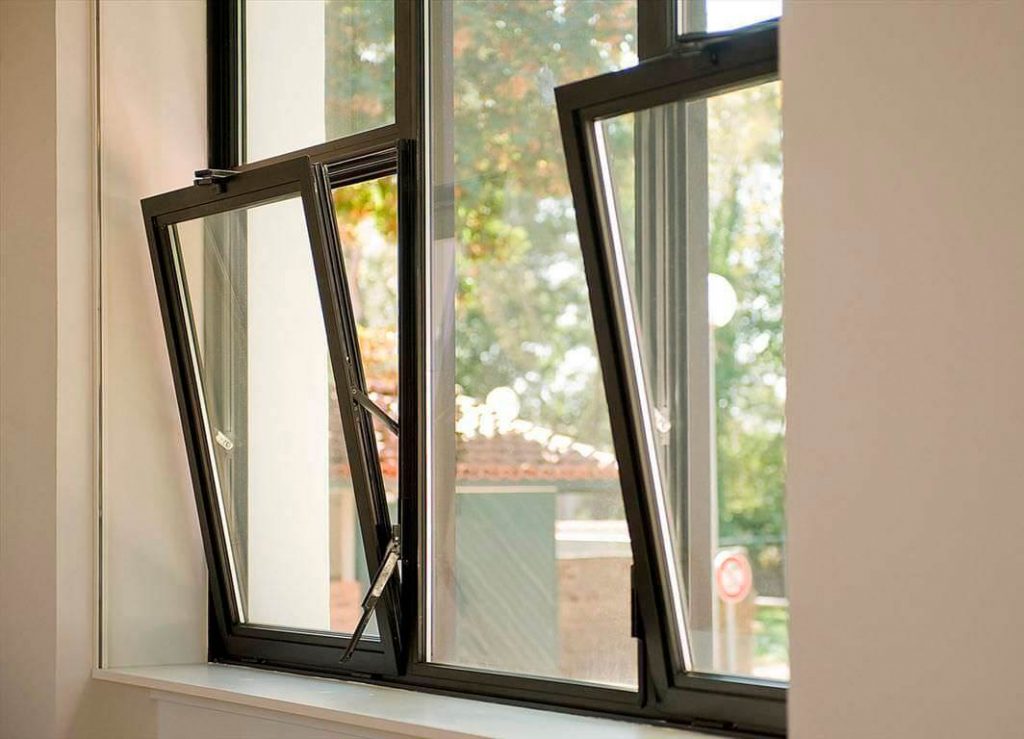
These offer dual opening options, making them practical for ventilation and easy cleaning, particularly in upper floors.
Bay windows project outward, increasing natural light and improving your home’s appearance.
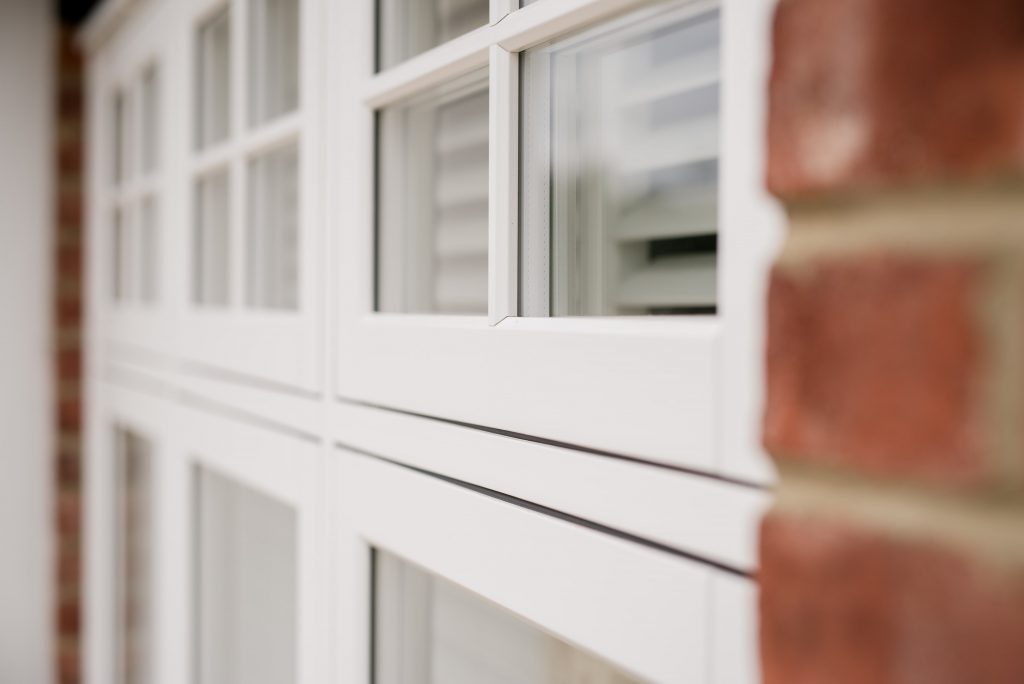
Window materials
Known for affordability, low maintenance and excellent energy savings, uPVC is the most popular material for both windows and doors across the United Kingdom. The benefits of uPVC windows include being affordable due to its ability to be mass-produced, whilst also being incredibly low maintenance, durable and customisable.
Strong and slim, aluminium allows larger glass panes and modern designs with minimal maintenance.
Wooden windows offer natural warmth, sustainability and long-lasting performance when properly cared for.
These provide the appearance of timber with the modern performance benefits of uPVC.

Who are Sherborne?
Sherborne Windows began as a sole trader in 1990, founded in Farnborough by Chris Long and his wife Claire. Our family values of honesty, integrity and courtesy continue to guide everything we do.
With over 30 years of experience, we now serve homeowners across Surrey, Hampshire, Berkshire and South-West London. We specialise in windows, doors and glazed extensions, offering everything from uPVC windows to aluminium windows, timber windows, composite doors, uPVC doors and patio doors – energy efficiency is a priority in all we do.
We work to high standards on every project, regardless of size, and take pride in the quality of our products and our customer care. Our showrooms in Farnborough, Windlesham, Hartley Wintney and Sunningdale make it easy to explore additional features, materials and finishes in person.
We are fully accredited, including FENSA, giving homeowners complete peace of mind.
To speak to our friendly team, call 01252 370917 or email enquiries@sherbornewindows.co.uk.
Main takeaways
- Winter is an ideal time to plan and order new windows
- Heat loss and condensation are easier to identify in colder months
- Modern glazing delivers better insulation and lower energy bills
- Early planning avoids spring delays and rushed decisions
- Quality windows improve comfort, efficiency and the value of your home